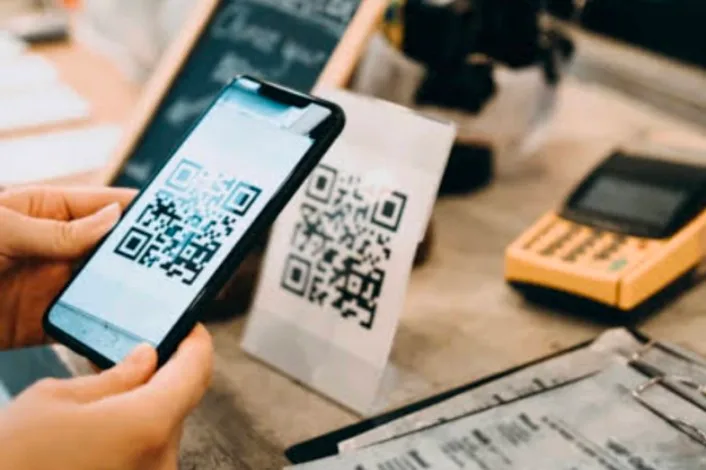
The use of digital payments and UPI is rapidly increasing in the country, but with it, cases of online fraud are also steadily increasing. In response to this threat, the Reserve Bank of India (RBI) has issued several important recommendations to further strengthen security. These proposals aim to protect the public, especially senior citizens, from cyber fraud.
Recommended delay of 1 hour for transactions above ₹10,000
RBI has suggested that if any new or suspicious transaction is more than ₹10,000, it should be processed after a delay of at least 1 hour instead of processing it immediately.
The advantage of this will be that:
The user will get time to identify the wrong transaction.
In case of fraud, the transaction can be stopped in time.
The rise of cybercriminals will be curbed
'Trusted Person' facility for senior citizens
RBI has proposed a special feature keeping in mind the safety of the elderly.
According to this:
Senior citizens will be able to add a 'trusted person' to their account
Large or suspicious transactions will require that person's approval.
This will significantly reduce the chances of fraud.
'Kill Switch' feature: Stop all payments in one click
Another great suggestion is the emergency 'kill switch' .
With the help of:
The user will be able to immediately stop all his digital payments (UPI, cards, net banking)
If the phone is lost or fraud is suspected, immediate action can be taken.
Fraud can be stopped before any damage occurs.
Why are these changes necessary?
UPI transactions in the country have rapidly reached record levels.
Cyber fraud cases are continuously increasing.
Many times users transfer money in a hurry without thinking.
In these circumstances, this step of RBI is being considered important in making the digital payment system more secure and reliable.
These RBI proposals are currently in the form of suggestions, but if implemented, they will provide a significant safeguard for digital payment users. This step could prove to be a significant relief, especially for new users and senior citizens.