The highly anticipated peace talks between the US and Iran in Pakistan's capital, Islamabad, ended without any concrete results. The crucial 21-hour talks had raised global expectations, but ultimately left the two countries with unresolved differences.
Why were the talks inconclusive?
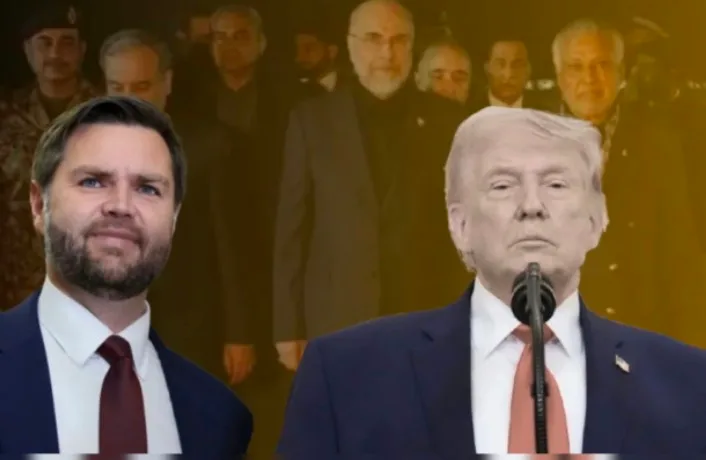
US Vice President JD Vance clarified after the talks ended that the US participated with full seriousness and sincerity, but Iran did not agree to its key conditions.
He also indicated that this failure will affect both countries, but Iran may suffer more losses.
Vance will now return to the United States and brief President Donald Trump on the situation.
What issues were discussed?
This high-level meeting covered a number of sensitive and strategic topics:
Strengthening the ceasefire amid ongoing conflict in West Asia
Efforts to end the growing conflict in Lebanon
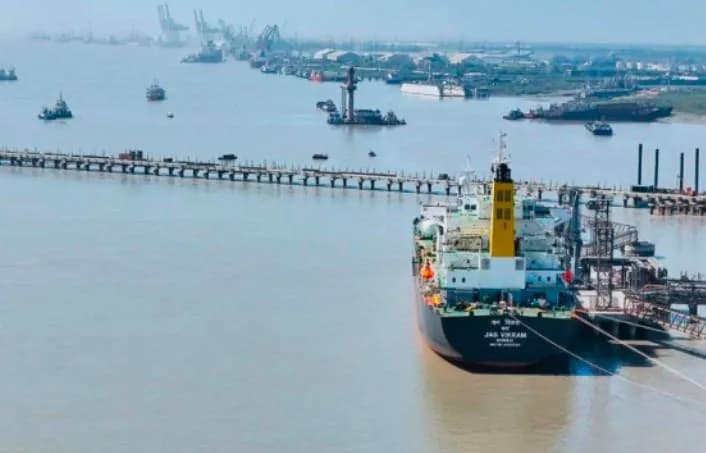
Ensuring safe passage of ships in the Strait of Hormuz
Although all these issues were discussed at length, no final consensus could be reached on any point.
🇵🇰 What did you say about Pakistan's role?
The meeting was hosted by Pakistan, where Prime Minister Shahbaz Sharif and Army Chief Asim Munir were present.
JD Vance praised Pakistan's role, saying the host country made every effort to make the dialogue between the two sides successful and created a positive atmosphere.
Now what?
The failure of this dialogue could further complicate the already tense situation in West Asia.
Experts believe that:
The threat to the ceasefire may increase
Military tensions may resurface in the region
International trade, especially oil supplies, could be affected.
At present, there has been no official response from Iran, which has further increased the uncertainty regarding the situation.
The 21-hour talks, contrary to expectations, ended without any result. Consequently, the world will be closely watching the political and security situation in West Asia in the coming days.