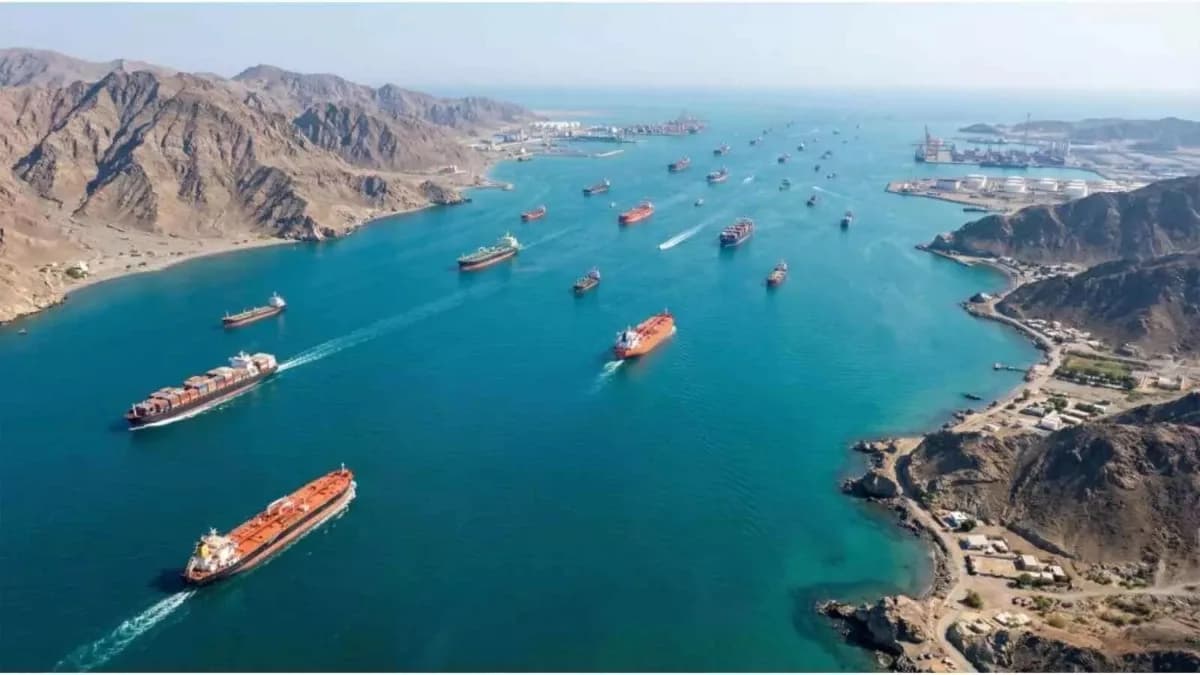
Amid rising tensions in West Asia, a major relief has emerged for India. Indian ships have now been allowed to pass through the strategic maritime route, the Strait of Hormuz, located near Iran. This development is expected to restore the smooth supply of LPG coming to India from Gulf countries.
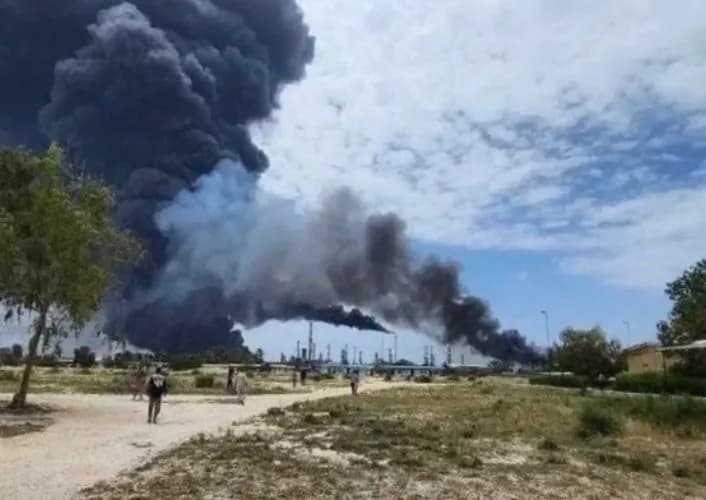
According to sources, Indian ships carrying millions of LPG cylinders had reached near the Strait of Hormuz, but their movement had become uncertain due to ongoing tensions in the region and security concerns. Meanwhile, high-level talks took place between India and Iran, after which Iran allowed Indian vessels to pass through the maritime route.
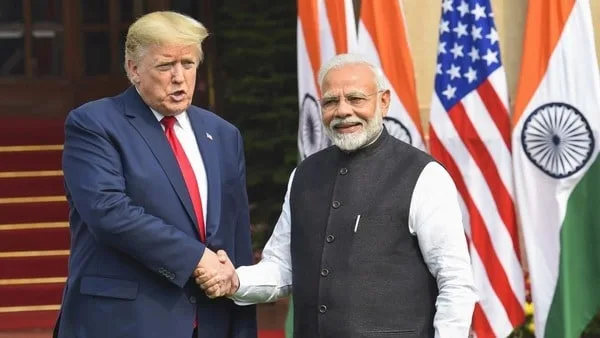
It is reported that the issue was discussed between India’s Prime Minister Narendra Modi and Iran’s President Masoud Pezeshkian. Following the discussion, Iran agreed to open the route for Indian ships. This decision has secured the path for India’s gas supply.
A Crucial Maritime Route for the World
The Strait of Hormuz is considered one of the most important energy routes in the world. A significant portion of crude oil and gas from the Gulf region is transported to different countries through this route. It is especially important for India, as LPG and other energy resources from Gulf nations, including Qatar, reach India through this passage.
India’s Strategy for Energy Security
Due to ongoing wars and geopolitical tensions around the world, uncertainty continues in the global energy market. In such a situation, India has taken several strategic steps to secure its energy needs. On one hand, India is purchasing crude oil from Russia, while on the other hand it is actively engaging in diplomatic efforts to maintain gas supplies from Gulf countries.
Experts believe this development reflects India’s balanced foreign policy and proactive diplomacy in a changing global political environment. Permission for ships to pass through the Strait of Hormuz will not only ease India’s energy supply concerns but will also ensure that the availability of LPG in the domestic market remains unaffected.
This development is being considered a significant diplomatic success for India, which has helped secure the country’s energy supply even amid global tensions.