Tensions between Iran and the United States have escalated sharply, with Tehran rejecting Washington's so-called 15-point peace proposal, calling it a "plot to attack," further straining diplomatic relations.
Iran's clear message: I will not accept pressure or humiliation.
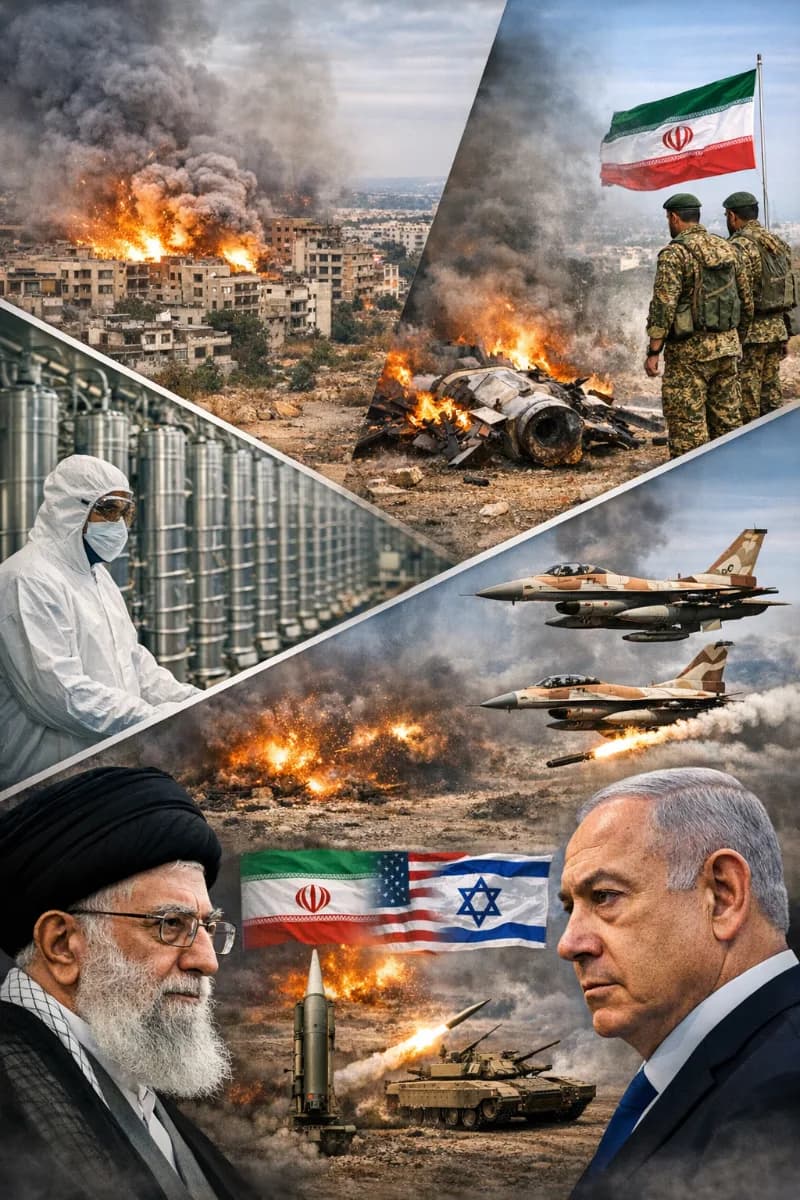
Iran's Parliament Speaker Mohammad Bagher Ghalibaf took a tough stance, saying his country would not bow to any form of international pressure or humiliation. He accused the US and Israel of preparing for military action under the guise of diplomacy.
Ghalibaf also indicated that the Iranian army is fully prepared and the country will take every step to protect its sovereignty.
Warning of a “false flag operation”
Iran's Foreign Minister Abbas Araghchi expressed international concern that "false flag operations" could be carried out against Iran. He said certain forces could escalate the situation by dragging other countries into the conflict, which would be against international law.
America's 15-point plan and diplomatic pressure
On the other hand, on behalf of the US leadership, Marco Rubio made a statement after the G7 meeting that a 15-point proposal has been placed before Iran.
The proposal primarily includes conditions limiting Iran's nuclear program, regional activities, and military influence.
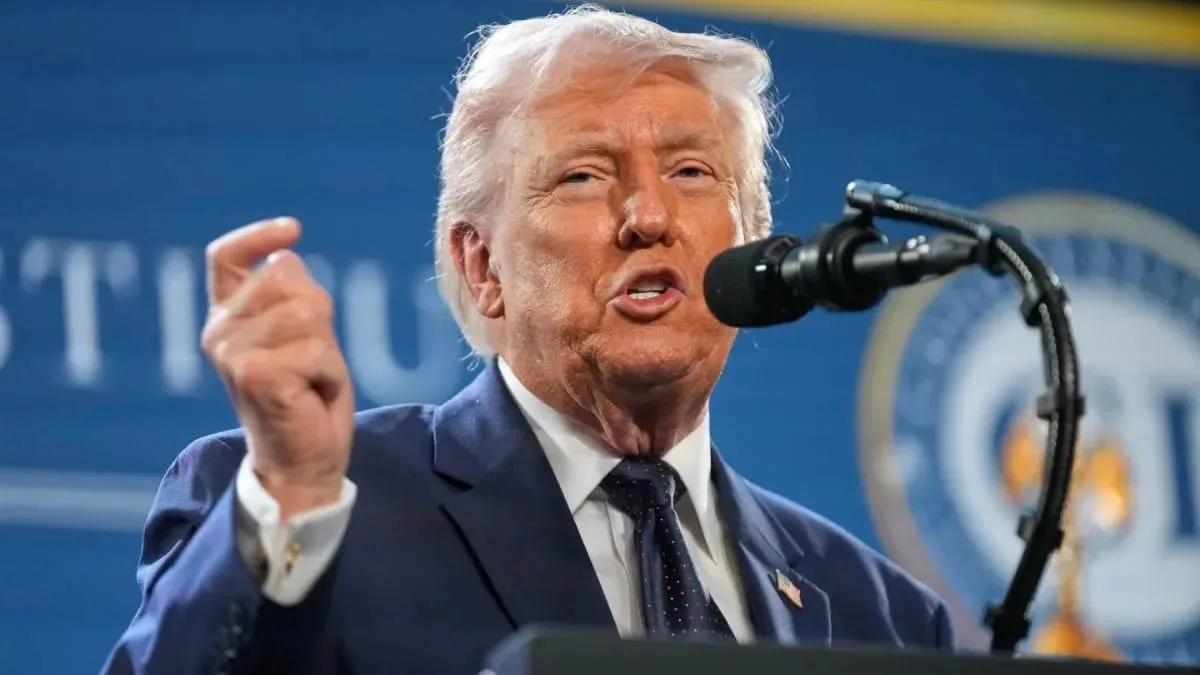
The influence of former President Donald Trump's "maximum pressure" policy is still clearly visible in this strategy.
The Strait of Hormuz has become the biggest flashpoint
Amidst this entire crisis, the security of the Strait of Hormuz has become the biggest issue.
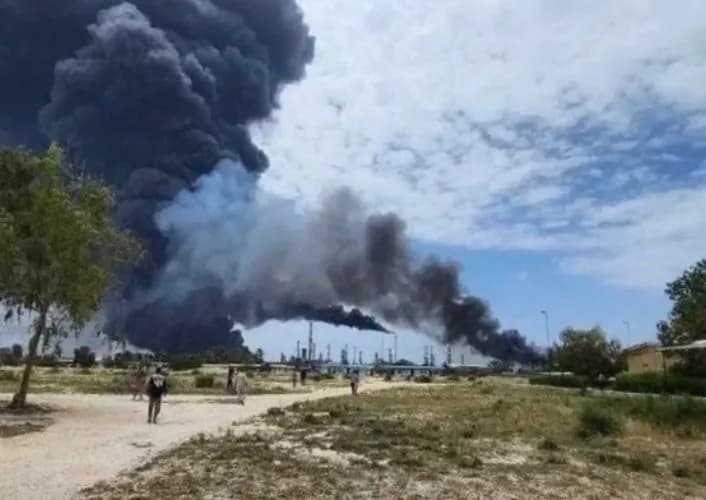
This is one of the world's most vital oil supply routes. If tensions escalate there, the global oil market, trade, and supply chains could be significantly impacted.
Can the war escalate?
Given the current situation, the situation remains extremely sensitive.
Iran appears more inclined towards resistance than negotiations.
The US is using both pressure and diplomacy.
Israel is also closely monitoring the situation.
Experts believe the next 24–48 hours will be crucial , as Iran is expected to issue an official response to this proposal. If the talks fail, this tension could escalate into a major military conflict.
Currently, the Middle East is once again facing a period of uncertainty. If balance is not struck in this conflict of diplomacy and power, its impact will not be limited to the region but will have implications for the economy and security of the entire world.