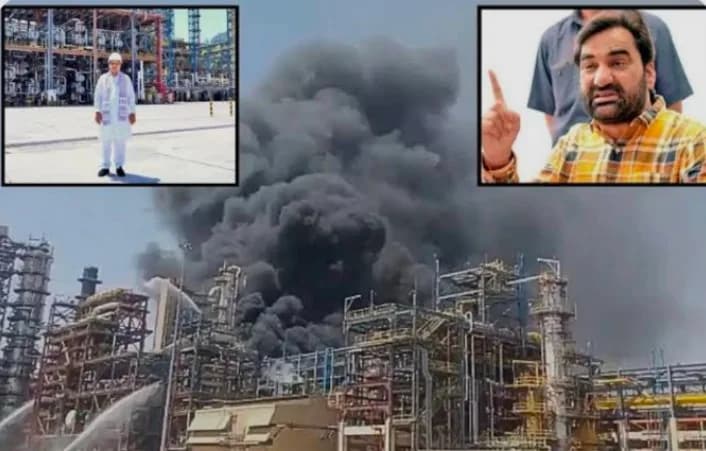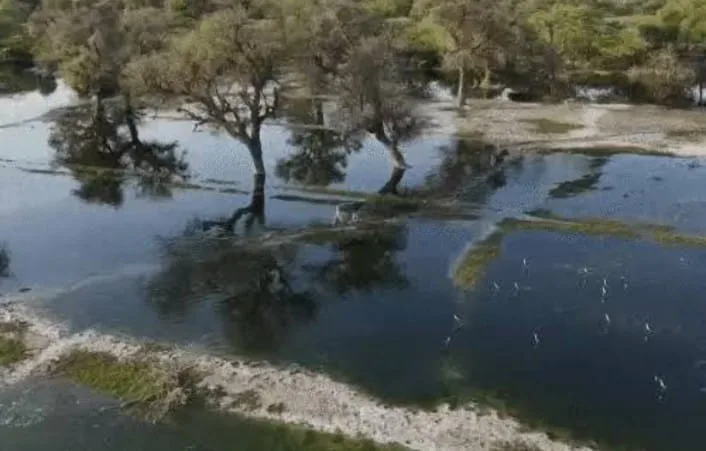
Jodhpur/Pali/Balotra. The growing pollution in Rajasthan's major rivers—Jojri, Bandi, and Luni—has reached a critical level. Following the Supreme Court's strong displeasure, the state government has taken swift action and strengthened its monitoring system.
During a recent hearing, the court clearly indicated that concrete and effective steps were now necessary to curb river pollution. Following this, the government took a major administrative decision and activated a high-level monitoring system.
High Level Ecosystem Oversight Committee got the responsibility
The government has given increased powers to the High-Level Ecosystem Oversight Committee , established to monitor and control river pollution. Its primary purpose is to continuously monitor river water levels, pollution sources, and remedial actions.
Under this, RAS officer Manoj Solanki has been appointed as the Registrar (Nodal Officer) of the committee, who will take the work forward rapidly by coordinating between various departments.
Main cause of pollution: Industrial waste
Jodhpur, Pali, and Balotra regions have large textile and dyeing industries. There have long been allegations that many units are discharging chemical-laden water into rivers without treatment.
Jojri and Bandi rivers are the most affected.
Widespread impact due to polluted water reaching Luni river
Drinking water and agriculture in the surrounding villages are at risk.
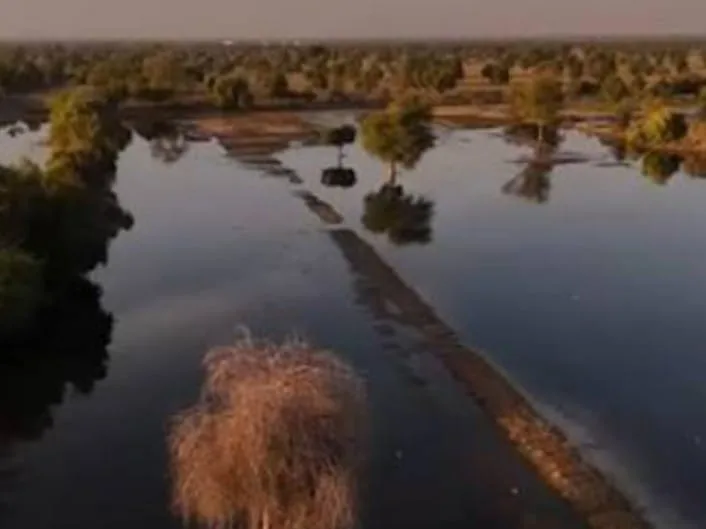
Strict remarks of the Supreme Court
During the hearing, the Supreme Court sought answers from the state government and the concerned agencies and asked what concrete steps have been taken so far to stop pollution.
The court also indicated that stricter orders may be issued if the situation does not improve.
government action plan
The state government has taken the matter seriously and has outlined several steps:
Identification of polluting factories
Strict action against illegal discharge
Monitoring of Common Effluent Treatment Plant (CETP)
Regular sampling and reporting system
Joint action by the local administration and the Pollution Control Board
Hope among local people
Villagers and social organizations, long troubled by river pollution, have welcomed the government's move. They say that if proper monitoring is implemented, the river's condition can improve.
Pollution in the Jojri, Bandi, and Luni rivers has become a major public health issue, not just an environmental one. This government move is considered significant following the Supreme Court's strictures. The biggest challenge now will be effectively implementing these decisions on the ground.