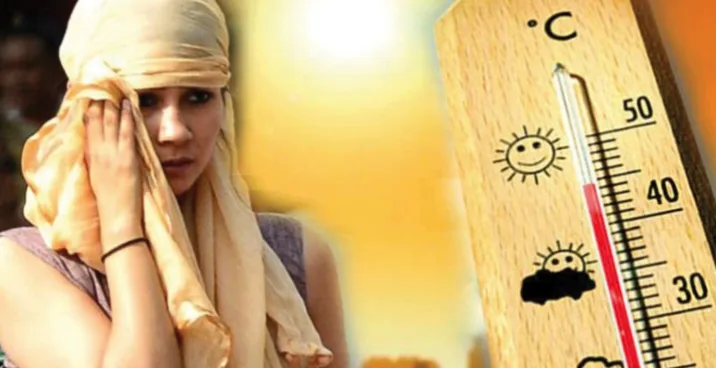
The heat has now fully intensified in Rajasthan, with heatwave-like conditions already developing in mid-April. Temperatures are rising rapidly in many parts of the state, including the capital, Jaipur. On April 18th, Jaipur recorded its highest temperature of the season, surpassing 40 degrees Celsius. This is the first time this year that the mercury has reached this level in the capital.
According to the Meteorological Department, on Saturday, maximum temperatures in approximately 18 cities across the state were recorded between 40 and 43 degrees Celsius. The heat wave was particularly pronounced in areas like Jhunjhunu and Alwar, where heatwave-like conditions prevailed during the afternoon.
Bright sunshine during the day, hot nights too
In most districts of Rajasthan, daytime and nighttime temperatures are rising. The intense sunlight and hot winds during the day make it difficult for people to venture outside, while the heat doesn't subside even at night. The heat is felt even more in urban areas.
The heat will increase further next week
Weather experts say temperatures are expected to rise further in the coming week. Heatwave conditions are likely to develop in areas of western and northern Rajasthan. Temperatures are predicted to reach 44 degrees Celsius in several cities.
Which areas are most affected?
The heat wave is already particularly severe in western Rajasthan districts—such as Barmer, Jaisalmer, and Bikaner—but eastern Rajasthan is now also reeling. Temperatures are rising rapidly in the Shekhawati region, including Jaipur, Alwar, and Jhunjhunu.
Caution advised
The Meteorological Department and health experts have advised people to avoid going outside during the afternoon, drink plenty of water, and wear light clothing. Children and the elderly, in particular, need to take special care to protect themselves from heatstroke.
This summer in Rajasthan is only going to intensify. By the end of April, severe heat and heatwave conditions are expected in most parts of the state, potentially disrupting normal life. Therefore, caution and vigilance are the best protection during this season.