Kotputli-Behror (Rajasthan) — While successful candidates were being honored across the country following the UPSC 2025 results, a case has surfaced in the Bansur area of Rajasthan where a young man claimed to be an IAS selection candidate. Investigations revealed this claim to be completely fraudulent, sparking widespread discussion and surprise throughout the area.
Celebration in the village after the results, became a hero
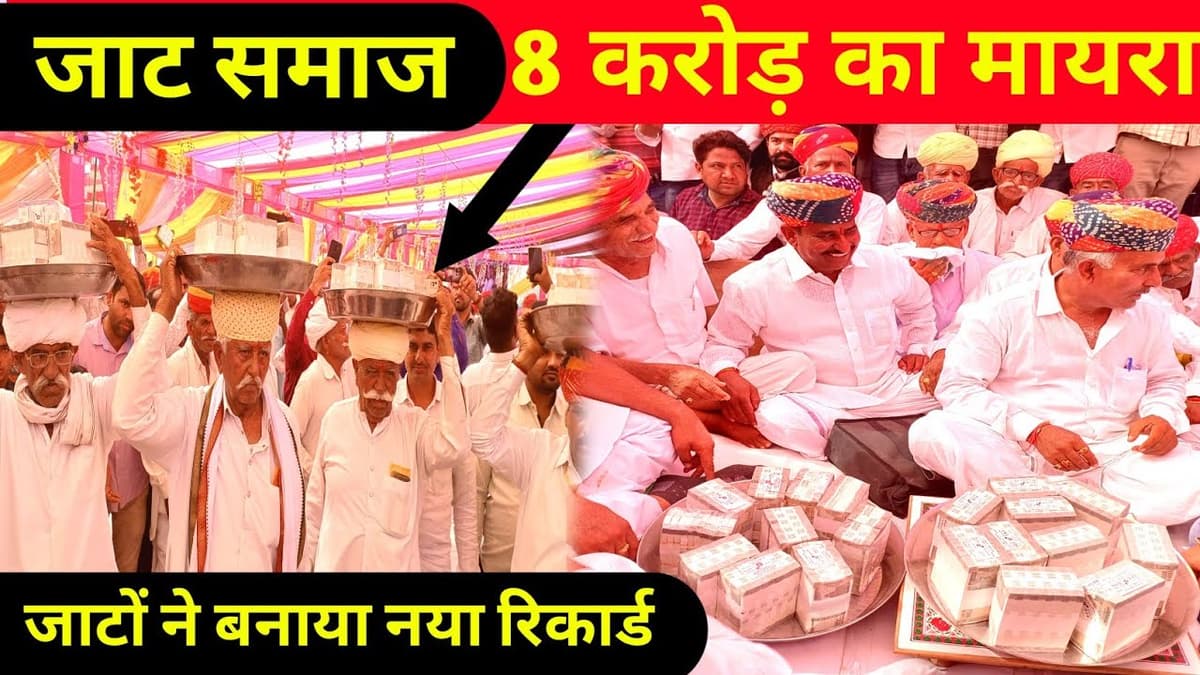
Upon the announcement of the UPSC results, Nishant Kumar, a resident of Nangal Bhav Singh village in Bansur, claimed he had secured an All India Rank of 899. The news sparked jubilation in the village. Sweets were distributed, a procession was held with drums and trumpets, and villagers honored him by carrying him on their shoulders.
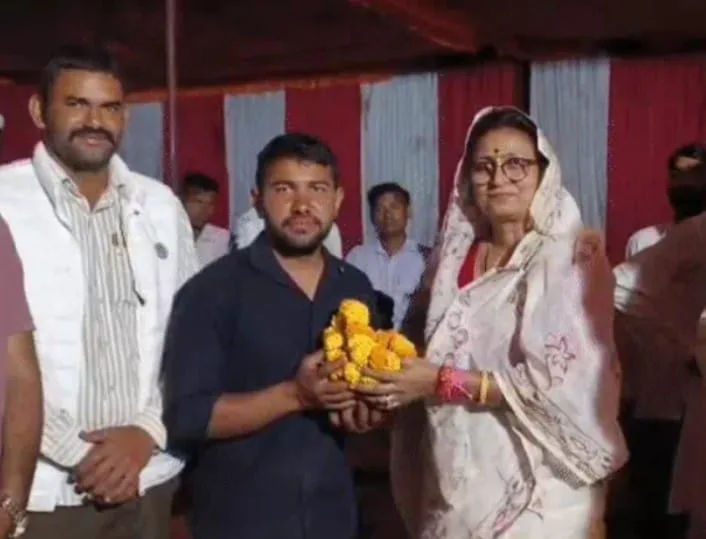
Local representatives and even a former minister came to congratulate him. From the stage, he shared his story of struggle and inspired the youth.
A made-up story told in a motivational speech
Nishant claimed that he passed the prelims, mains, and interview in 2025 after facing numerous setbacks. He attributed his success to family, friends, and online study platforms. He even detailed his coaching and preparation methods, which gave people complete confidence in him.
The truth revealed in the investigation
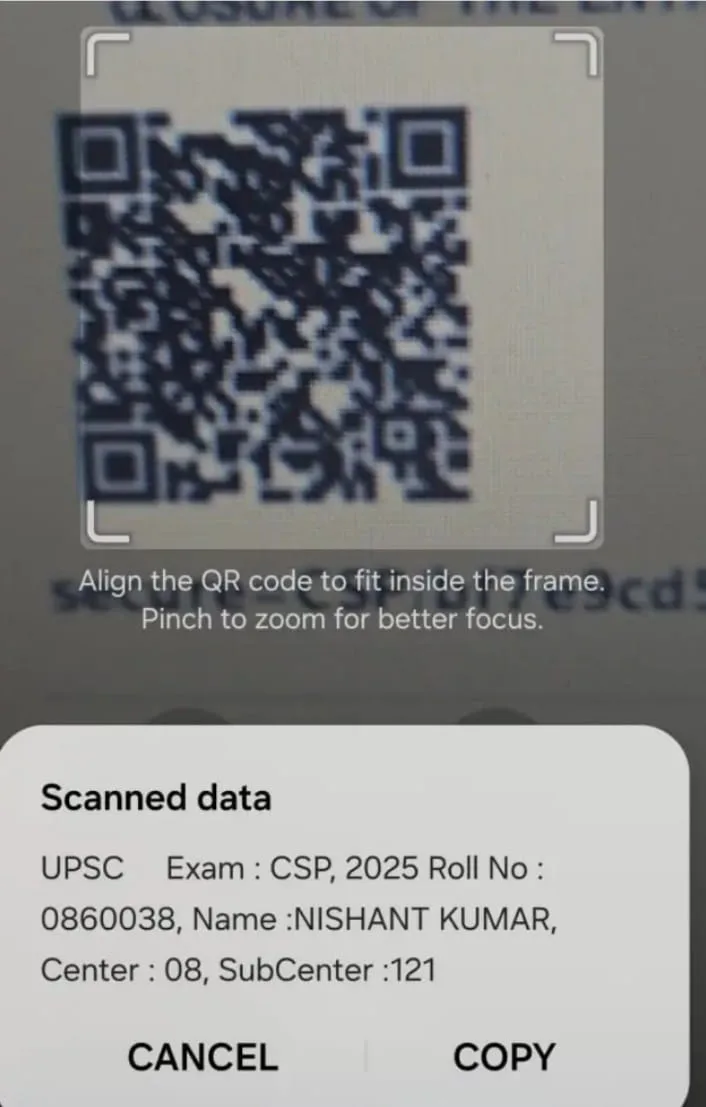
When his claims were investigated in the media, many irregularities came to light.
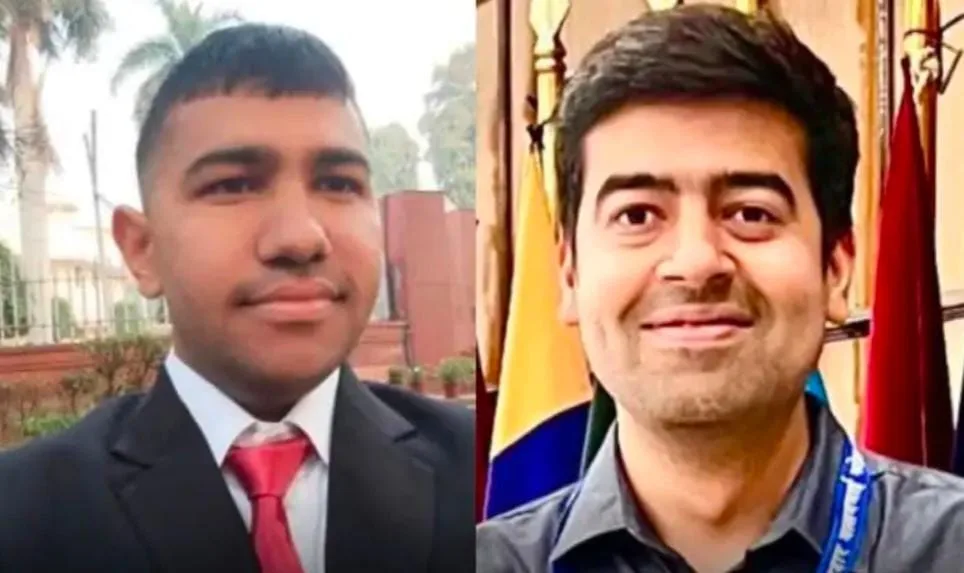
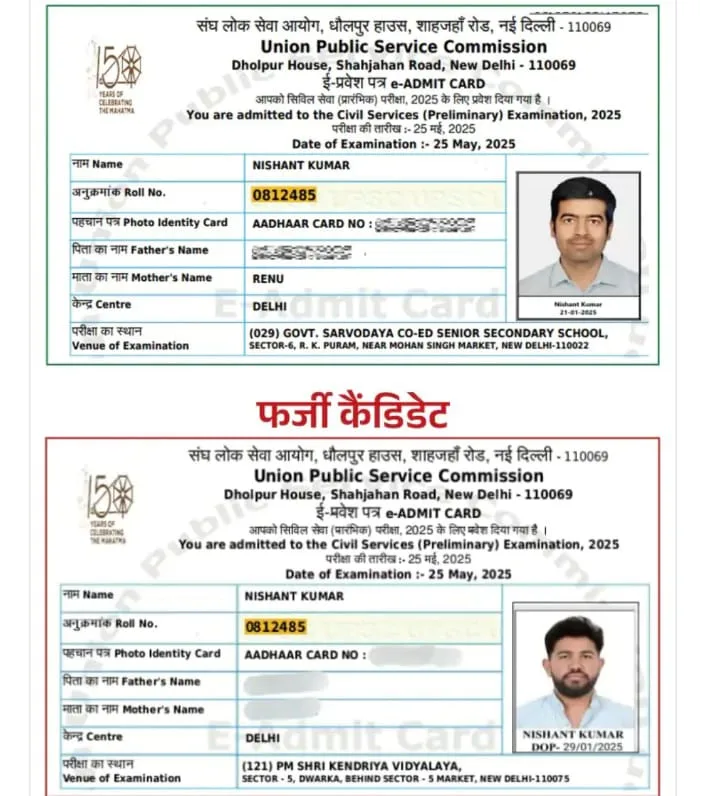
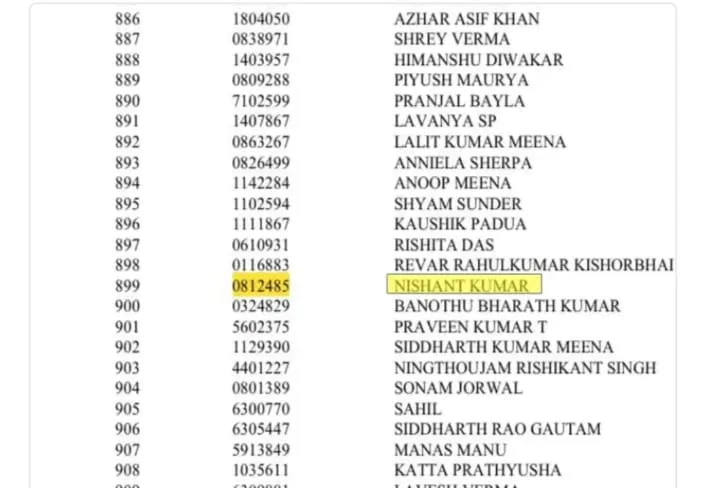
The rank of 899 that he was claiming turned out to be that of some other candidate.
The real candidate was found to be a resident of Agra city in Uttar Pradesh.
To gain confidence, Nishant even edited the roll number in the admit card.
He also created a fake photo using AI tools, in which he was seen standing outside the UPSC office.
Identifying the real topper
Investigation revealed that the actual candidate, who secured the 899th rank, was a resident of Agra and already held a government position. Interviews with him revealed that the Bansur youth's claim was completely false.
Confessed the truth after questions
When the young man making the false claim was questioned strictly, he finally admitted his mistake. He admitted that he had misled people and falsely claimed to be an IAS selected.
Social media and haste became the reason
It also emerged that social media was flooded with congratulations without official confirmation. No one at the local level even attempted to fact-check, allowing the falsehood to spread rapidly.
This case serves as a powerful lesson for young people and society that news of any breakthrough needs to be officially confirmed before accepting it. It also demonstrates how the misuse of technology can mislead people.
This case in Bansur isn't just about a fake claim, it also highlights a lack of social and digital awareness. While genuine, hard-working candidates strive for success, such fake claims attempt to diminish the value of their efforts.