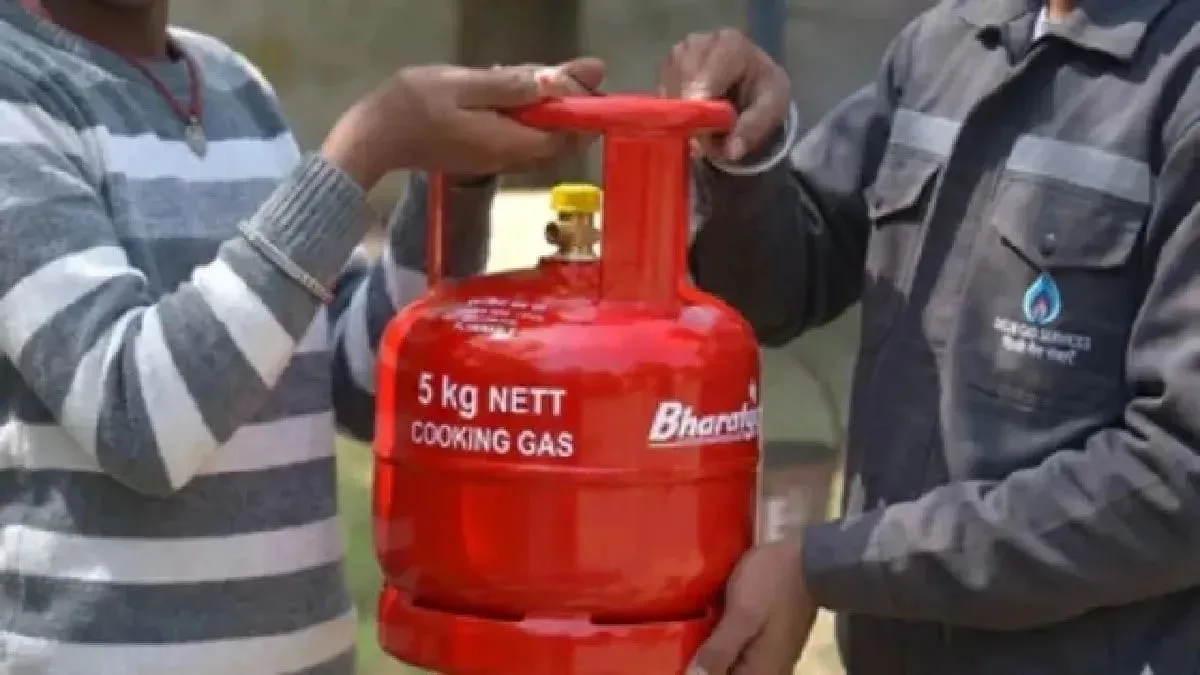
Amid the LPG shortage in Rajasthan, the central government and oil companies have taken a major step towards providing relief. The availability of small 5-kilogram domestic gas cylinders is being increased, especially for migrant workers and students, so that they do not face any difficulties in meeting their daily needs.
Big plan to increase supply
Following a steady stream of complaints from across the state, the Petroleum Ministry has taken immediate action. Now, over 41,000 5kg cylinders are being made available to approximately 1,386 gas agencies in Rajasthan. This is expected to ease the gas shortage in the coming days.
Relief in Jaipur too
There is also a focus on strengthening supply in the capital, Jaipur. Over 2,200 small cylinders will be distributed to 75 gas agencies , providing relief to local consumers.
Delivery system improved
Gas companies claim that now delivery is being ensured within 4 to 5 days after booking the cylinder, due to which consumers will have to wait less.
Easy connection, cylinder will be available only with ID
The big relief for migrant laborers and students is that now a new connection of 5 kg cylinder can be taken only on the basis of identity card.
New Connection Charges: Around ₹1490
Includes filled 5KG cylinder
The biggest setback: The price has raised concerns
While on one hand the availability has increased, on the other hand its price is troubling the consumers.
5KG Cylinder Refill: ₹616
Price per kg: Around ₹123
This rate:
Almost double the cost of a normal domestic cylinder
And it is more expensive than commercial cylinders.
That means, despite being a small cylinder, it has emerged as the most expensive option.
Relief vs. inflation—a dual situation
This move by the government and companies has certainly brought relief to the needy, but high prices are making this relief only partial. The question is whether prices will be reduced in the future.
The increased availability of 5kg gas cylinders in Rajasthan is expected to provide significant relief to migrant workers and students. However, high prices remain a significant challenge. If the government controls prices in the future, this scheme could prove even more effective.