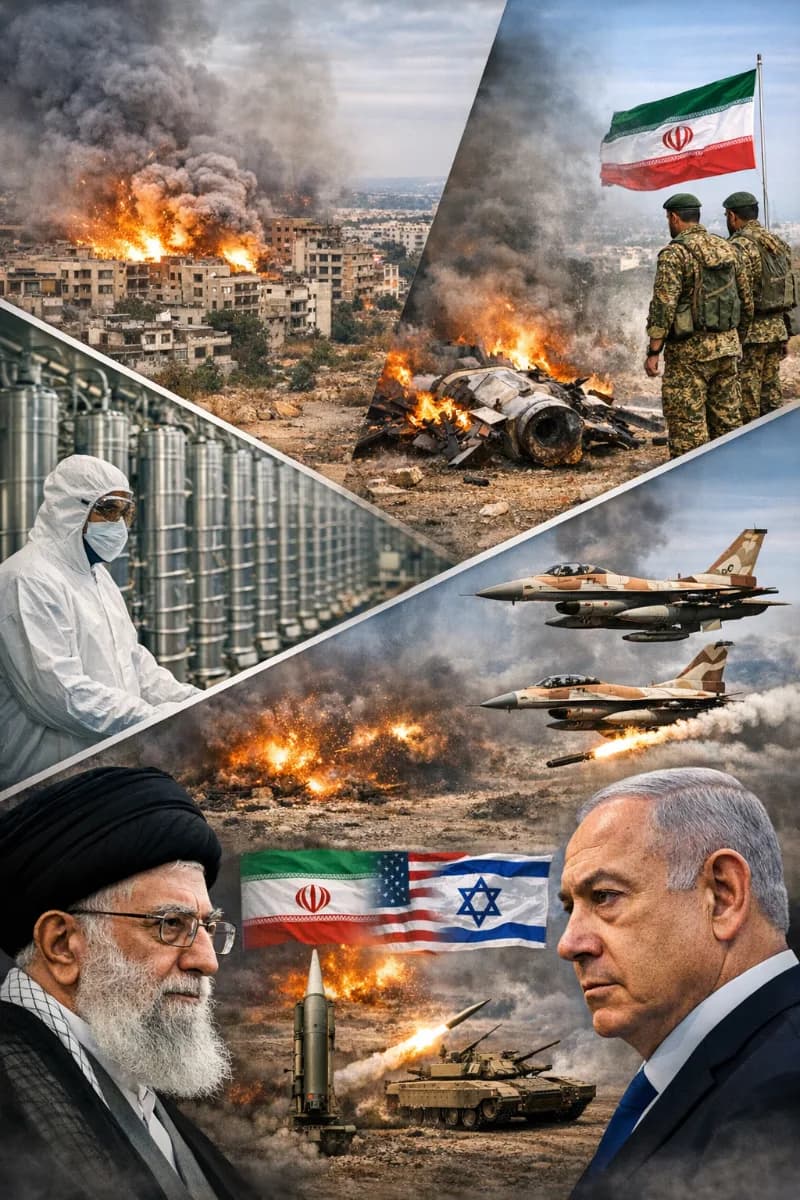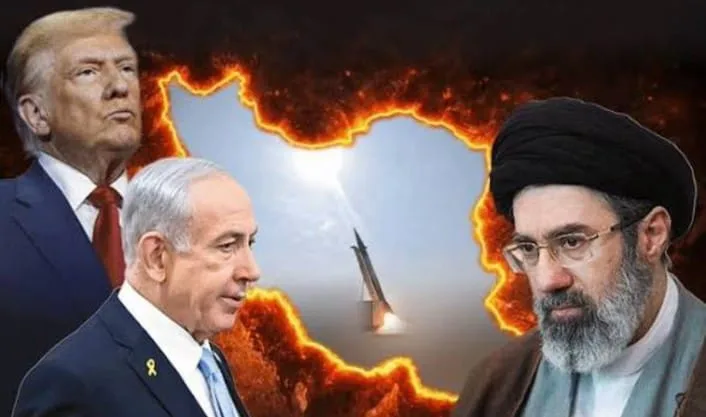
On February 28, 2026, the US and Israeli air forces suddenly launched massive airstrikes on Iran. These attacks killed several senior military and political leaders, including Iran's Supreme Leader Ayatollah Ali Khamenei —the conflict is considered to have begun on this day.
These air strikes are being carried out jointly under the names “ Operation Epic Fury ” (USA) and “ Lion's Roar ” (Israel), whose aim is said to be to severely damage Iran's military capabilities.
23 Days War photo
Combat is fast and wide
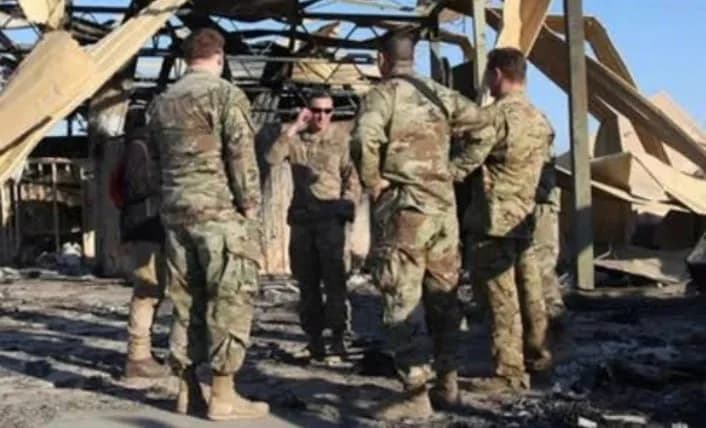
Following the initial attack, Iran launched hundreds of ballistic missiles and drones at Israel, US military bases and missile bases in Gulf countries.
There were also missile attacks on Israel's oil refineries and power networks, causing severe damage.
Measurement of damages
• Extremely heavy destruction occurred in the first few days of the war – thousands of targets were damaged or destroyed in the bombing.
• Infrastructure in many countries was affected, citizens faced great hardship, and crude oil prices rose, putting pressure on world energy supplies.
Deaths of leaders and commanders
US-Israeli attacks have killed many of Iran's top leaders, including the army chief. Despite this, Iran continues its resistance.
Why is Iran not giving up?
Iran continues to fight in the war—for several reasons:
sense of defense and survival
The Iranian leadership is calling it a "war of self-defense and national survival." Even after Khamenei's death, Iran has continued missile attacks and retaliation, sending a message that it will not bow to pressure.
Regional and international support
Iran has indirect support from some countries and has made it a self-reliant nation, fighting against Western pressure. Furthermore, its allies in the Middle East are also involved in the conflict on various fronts.
Strategic advantage
Iran has adopted a strategy of threatening to close the Strait of Hormuz and targeting oil routes, straining global energy supplies and increasing economic and political pressure on the US and Israel.
The Trump-Netanyahu Strategy and the "Way Out"
This war is not only a military battle but also a political trap .
Trump's intention
Trump has repeatedly said the campaign will continue "until the goals are met."
He wants to diminish Iran's influence and appear subdued globally. That's why he talks about the potential for a protracted war—but also says a diplomatic solution is possible.
Political pressure and negotiations
There are signs of diplomatic dialogue at some levels – such as the attempted talks in Geneva, where discussions are ongoing on how to prevent conflict and reduce tensions.
terms of the ceasefire
Iran has set some conditions for a ceasefire, but Trump has said that unconditional surrender is not possible.